
Sino-Indian War

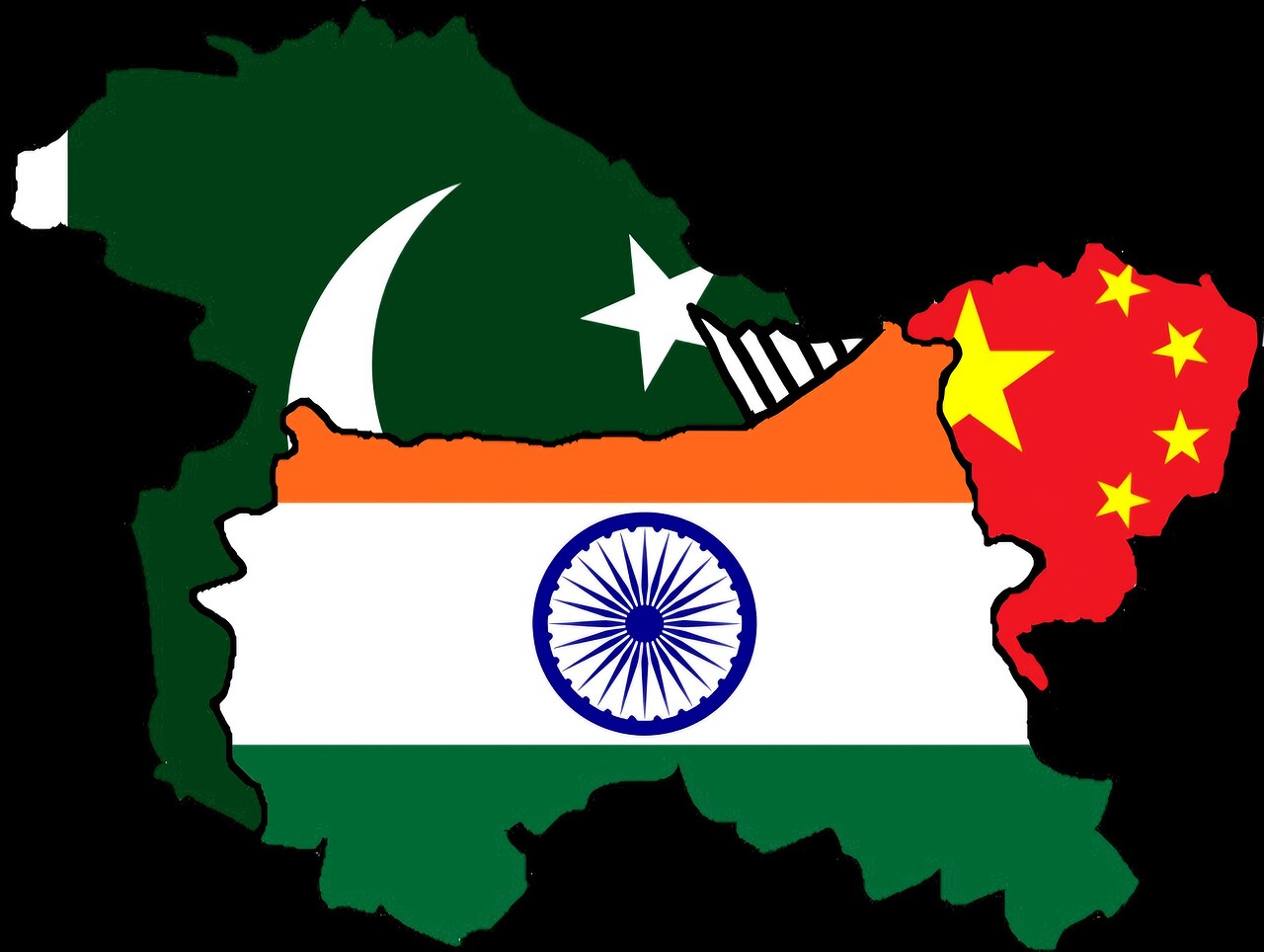
Hogweard (Original) Sgh45 (This version) · CC BY-SA 4.0
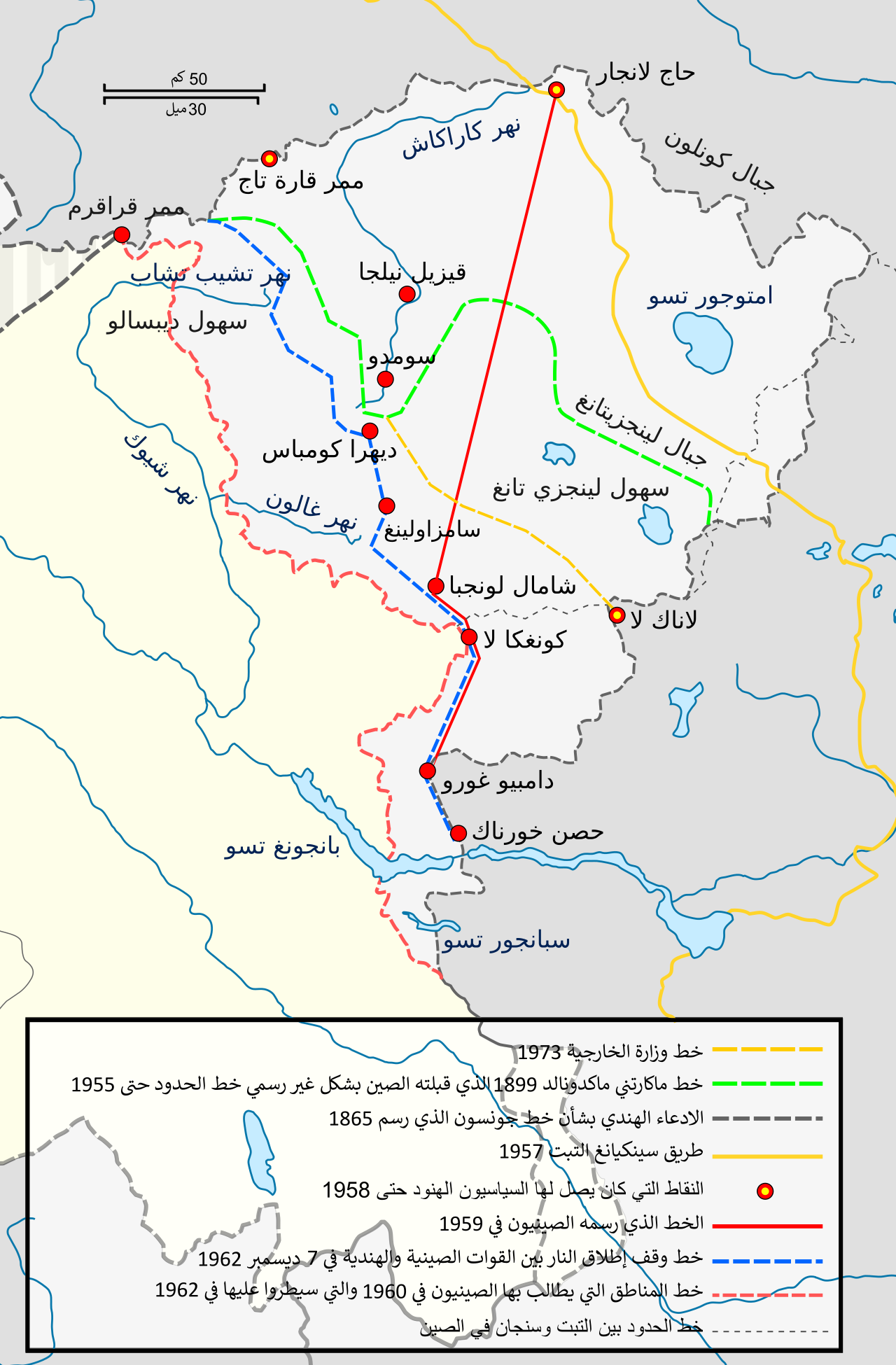
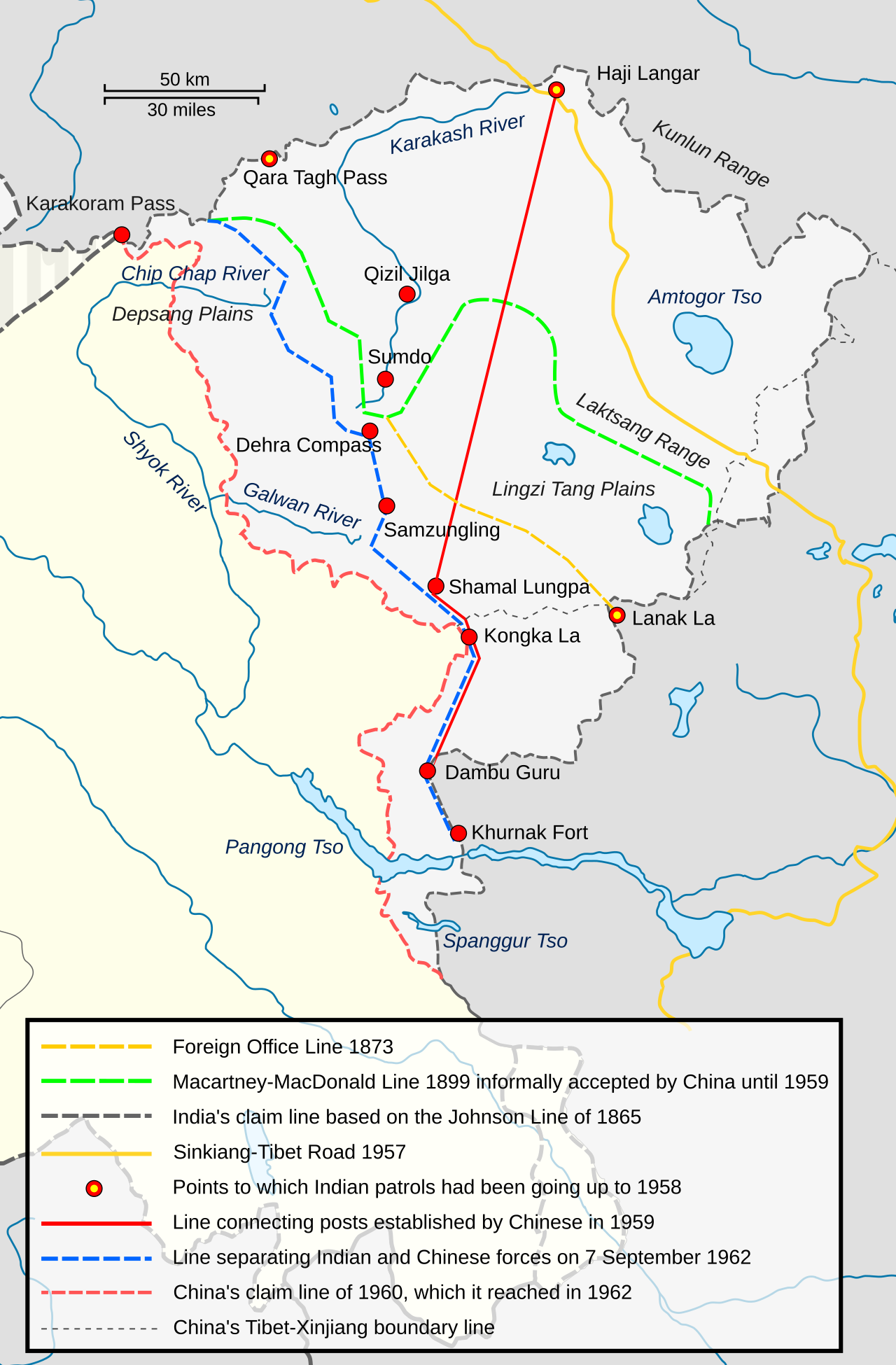
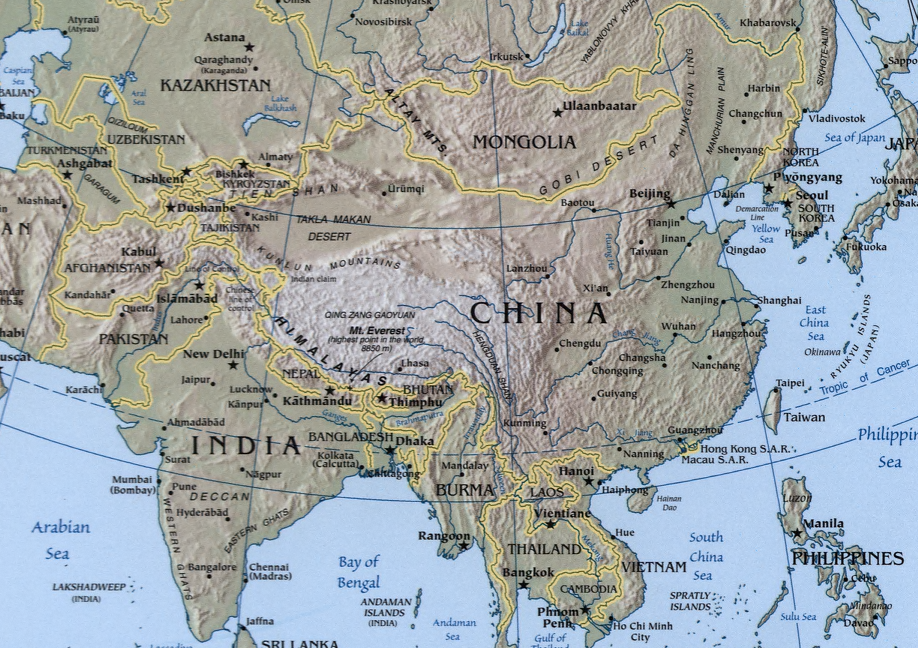
It was a military escalation of the Sino-Indian border dispute, concentrated in the North-East Frontier Agency (NEFA) and the Aksai Chin region, roughly 1,500–2,000 km apart. The war resulted from competing territorial claims, with China constructing a strategic road through Aksai Chin and rejecting India's recognition of the Johnson Line and McMahon Line.
Lore & Background
The war arose from a dispute over the Aksai Chin and NEFA regions, with both countries citing different historical border agreements. India recognized the Johnson Line in the west and the McMahon Line in the east, while China did not. Tensions escalated after the 1959 Tibetan uprising, when India granted asylum to the 14th Dalai Lama, and China's construction of a strategic road through Aksai Chin further inflamed the dispute.
Reader's Guide
The Sino-Indian War was a significant military and political setback for India, prompting rapid modernization and expansion of its armed forces and strengthened border defenses. The conflict permanently damaged Sino-Indian relations. As the Sino-Soviet split deepened, the Soviet Union supported India with military hardware sales, while India turned to the Soviets for aid after the United States and the United Kingdom refused to sell advanced weaponry. The war was fought entirely on land, without naval or air assets, and neither side officially declared war or broke off diplomatic relations. Much of the fighting occurred in high-altitude, freezing conditions, causing logistical difficulties and casualties from cold temperatures.
Did You Know?
- The war took place entirely on land without the use of naval or air assets.
- Neither side officially declared war or broke off diplomatic relations during the conflict.
The Contested Border and Its Historical Roots
The Sino-Indian War grew out of a territorial disagreement stretching back decades. India regarded it as part of Ladakh; China claimed it as part of Xinjiang. British commissioners later fixed the southern boundary at Pangong Lake but left the area northward toward the Karakoram Pass essentially unmapped. India relied on the Johnson Line in the west and the McMahon Line in the east; China rejected both.
From Skirmishes to Full Offensive
The path to open warfare unfolded over several years. After the 1959 Tibetan uprising, during which India granted asylum to the 14th Dalai Lama, border tensions between the two nations sharpened considerably. China's construction of a strategic road threading through Aksai Chin, linking its Tibet and Xinjiang regions, became a major flashpoint. Chinese forces gained the upper hand in these engagements, and by 18 October they had massed a large force for a major assault. On 20 October, China abandoned all diplomatic overtures and launched simultaneous offensives across both the eastern and western fronts.
The Battles and the Nature of the Fighting
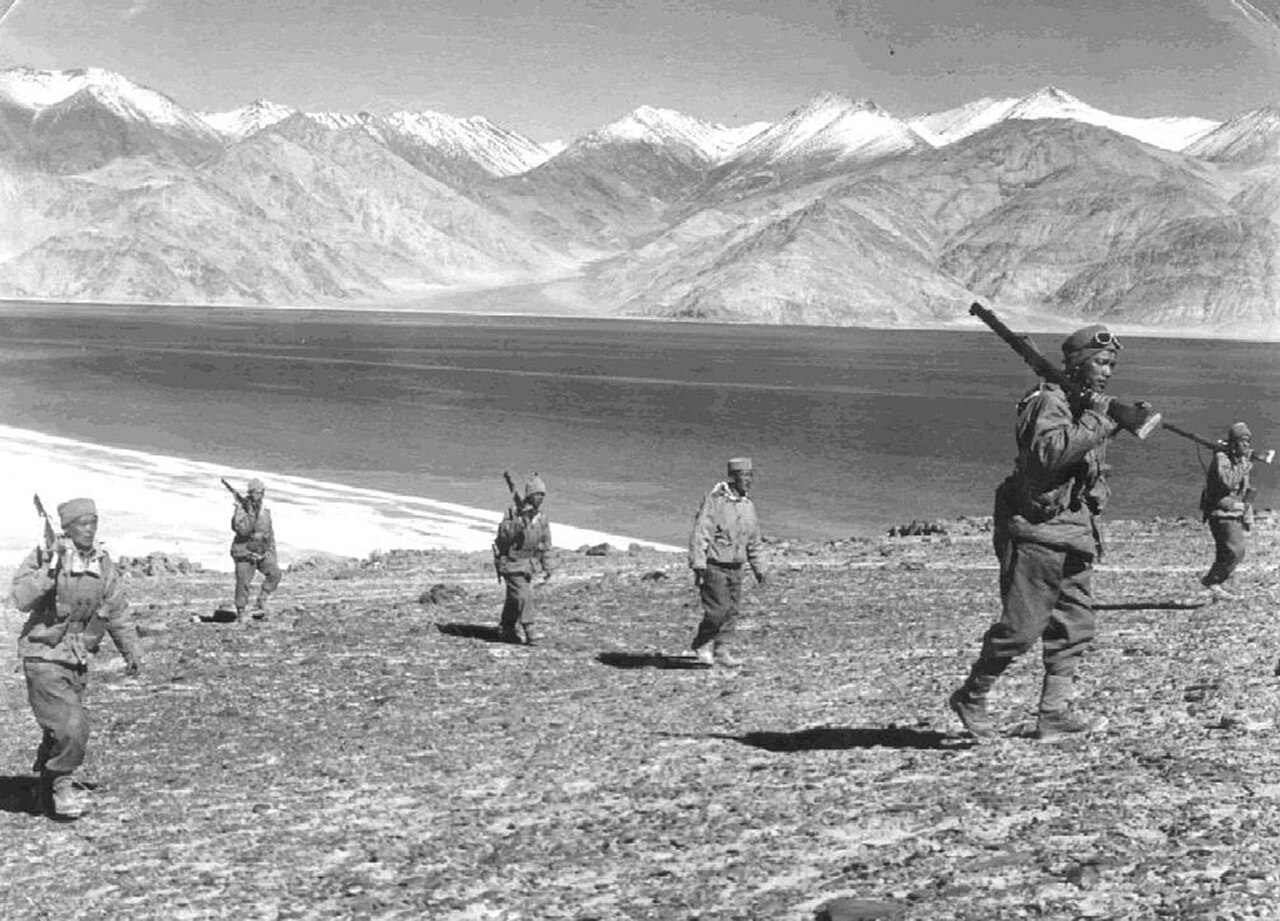
The combat that followed was almost entirely a land war fought in some of the most punishing terrain on Earth. Large-scale engagements took place at altitudes above 5,000 metres, where freezing temperatures and thin air imposed severe logistical and welfare challenges on both armies. Neither side deployed naval or air assets, and neither formally declared war or severed diplomatic ties. In the first phase, Chinese troops overran Indian positions at Namka Chu and Tawang on the eastern front, and at Chip Chap Valley and Pangong Lake on the western front, forcing Indian units to fall back. After a three-week pause, China resumed its advance on 14 November, seizing key positions at Se La, Bomdila, and Gurung Hill in the east. Fierce fighting at Rezang La and Gurung Hill produced heavy casualties on both sides. The cold itself claimed lives, with numerous soldiers from both nations succumbing to the extreme temperatures.
Aftermath, Reassessment, and Shifting Alliances
The war's conclusion left India facing a profound strategic reckoning. The conflict was widely regarded within the country as a major military and political setback, prompting a rapid and sweeping modernisation of its armed forces along with significant strengthening of border defences. India fundamentally reassessed its policy toward China, and the episode permanently scarred bilateral relations. The broader geopolitical context also shifted dramatically in the war's wake. As the Sino-Soviet split deepened, the Soviet Union moved to support India through the sale of military hardware. India was also compelled to turn to Moscow for military aid after both the United States and the United Kingdom refused to sell it advanced weaponry.
Gallery
Frequently Asked Questions
Where were the main battle zones of the Sino-Indian War?
Fighting was split across two regions roughly 1,500 to 2,000 kilometers apart: the Aksai Chin area in the west and the NEFA sector in the northeast. These corresponded to the two sets of disputed boundary lines each country claimed.
Why did the Sino-Indian War break out?
The root cause was a clash over territorial claims, with China building a strategic highway through Aksai Chin while India insisted on the Johnson Line and McMahon Line as the proper boundary. Each side rejected the other's interpretation of the border, and tensions escalated into open military confrontation.
More in Chinese History 25-27
Elsewhere in the Chinese History universe
Spotted an error? Know more?
This is a living reference — every entry is fact-audited, and reader corrections feed straight into our audit queue. Suggest an edit · See this site's audit record