
Imperial examination

Francisco Anzola · CC BY 2.0
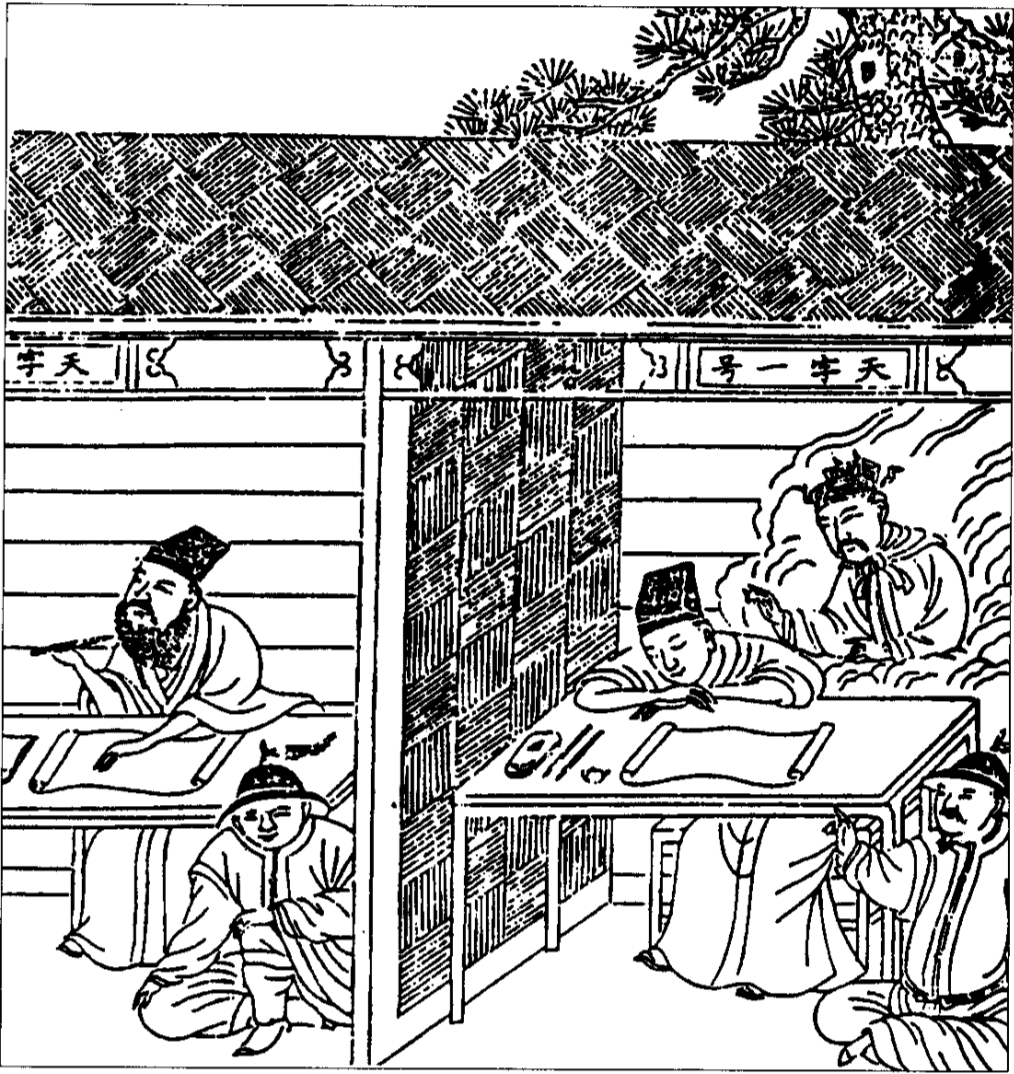
The imperial examination (Chinese: 科舉) was a civil service examination system in Imperial China, administered to select candidates for the state bureaucracy. It ensured common knowledge of writing, Chinese classics, and literary style among officials, helping to unify the empire and legitimize imperial rule through merit-based achievement. However, during the Tang dynasty, hereditary privilege and recommendation remained significant alongside examinations, so the system was not the dominant path to high office.
- field
- Civil service examination system
- nationality
- Imperial China
Lore & Background
The concept of choosing bureaucrats by merit rather than birth started early in Chinese history, but the first earnest use of written examinations appeared under the Sui dynasty. Its systematic implementation began during the Tang dynasty, when examinations became a regular channel for bureaucratic appointment, though hereditary privilege and recommendation remained significant paths to high office. The system was further expanded during the Song dynasty, which saw the number of degree holders increase to four to five times that of the Tang. The fully formalized three-tiered ladder from local to provincial to court exams, however, was established only in the Ming dynasty.
Reader's Guide
The imperial examination system played a significant role in tempering the power of hereditary aristocracy and military authority, and in the rise of a gentry class of scholar-bureaucrats. During the Ming dynasty, authorities narrowed the content to mostly Neo-Confucian texts, and the highest degree, the jinshi, became essential for the highest offices. However, holders of the basic degree, the shengyuan, became vastly oversupplied, resulting in many who could not hope for office. In the late 19th century, critics blamed the system for stifling scientific and technical knowledge.
Did You Know?
- Key sponsors for abolition were Yuan Shikai, Zhang Zhidong, and Zhao Erxun.
- During the 19th century, there was only a 1% passing rate among two to three million annual applicants.
From Sui Origins to a Thousand-Year Institution
The Tang dynasty that followed transformed this nascent practice into a dependable pathway toward bureaucratic appointment, making it the dominant route to senior office. Wu Zetian, ruler of Wu Zhou, pushed the system further by broadening its scope and even introducing a military examination, though military degrees were consistently regarded as lesser than their civil counterparts. The Song dynasty marked a decisive turning point: emperors simultaneously expanded both the examinations and the government school network, producing four to five times as many degree holders as the Tang had. By this era, the system had crystallized into a three-tiered progression from local through provincial to court-level testing.
A Tool of Unity and Social Transformation
The examination system did far more than fill government posts; it forged a shared intellectual culture across the empire. By requiring every aspiring official to master the same classical texts, writing conventions, and literary styles, the exams created a common cultural foundation that helped bind a vast and diverse territory together. The underlying principle—that talent and study, not bloodline, should determine one's place in the state—lent powerful legitimacy to imperial authority. This merit-based ideal also served as a deliberate check on the entrenched power of hereditary aristocrats and military elites. The Song emperors, in particular, expanded the examinations and the school system partly to counterbalance military families, and the result was the emergence of a broad gentry class of scholar-bureaucrats who formed the literati elite of Chinese society. Yet the system also carried costs: by the Ming and Qing periods, its narrow focus on orthodox texts contributed to a constrained intellectual landscape and reinforced the emperor's autocratic grip. In the nineteenth century, the wealthy could circumvent genuine merit by educating their sons or purchasing offices outright, and the ratio of roughly one civil licentiate per thousand people underscored how deeply the system had permeated daily life.
The Grueling Ladder and Its Discontents
By the Song dynasty the examinations had settled into a roughly three-tiered ladder: candidates first sat local tests, then provincial ones, and finally the court-level examination. The highest degree, the jinshi, became essential for the most senior offices during the Ming, while holders of the basic shengyuan degree were so vastly oversupplied that many could never realistically hope for a government post. The numbers were staggering: two or three million applicants sat the exams each year, yet the passing rate hovered around one percent. For many historically prominent figures, the date on which they received their jinshi degree was the only firm biographical anchor scholars possessed. By the late nineteenth century, critics within Qing China argued that the system's rigid focus on classical literature was stifling scientific and technical advancement, and they pressed for reform.
A Blueprint That Crossed Borders
The Chinese examination model left an imprint far beyond the borders of the empire. Neighboring states in East and Southeast Asia—Japan, Korea, the Ryukyu Kingdom, and Vietnam—developed analogous civil service testing structures inspired by the Chinese precedent. The system's influence also reached the Western world, largely through the reports of European missionaries and diplomats who described the merit-based selection process back home. France, Germany, and the British East India Company all drew on the Chinese example when designing their own methods for screening prospective employees. Even today, elements of the imperial examination system persist in the civil service entry processes of both mainland China and Taiwan, linking modern bureaucratic recruitment to a tradition that stretches back more than a millennium.
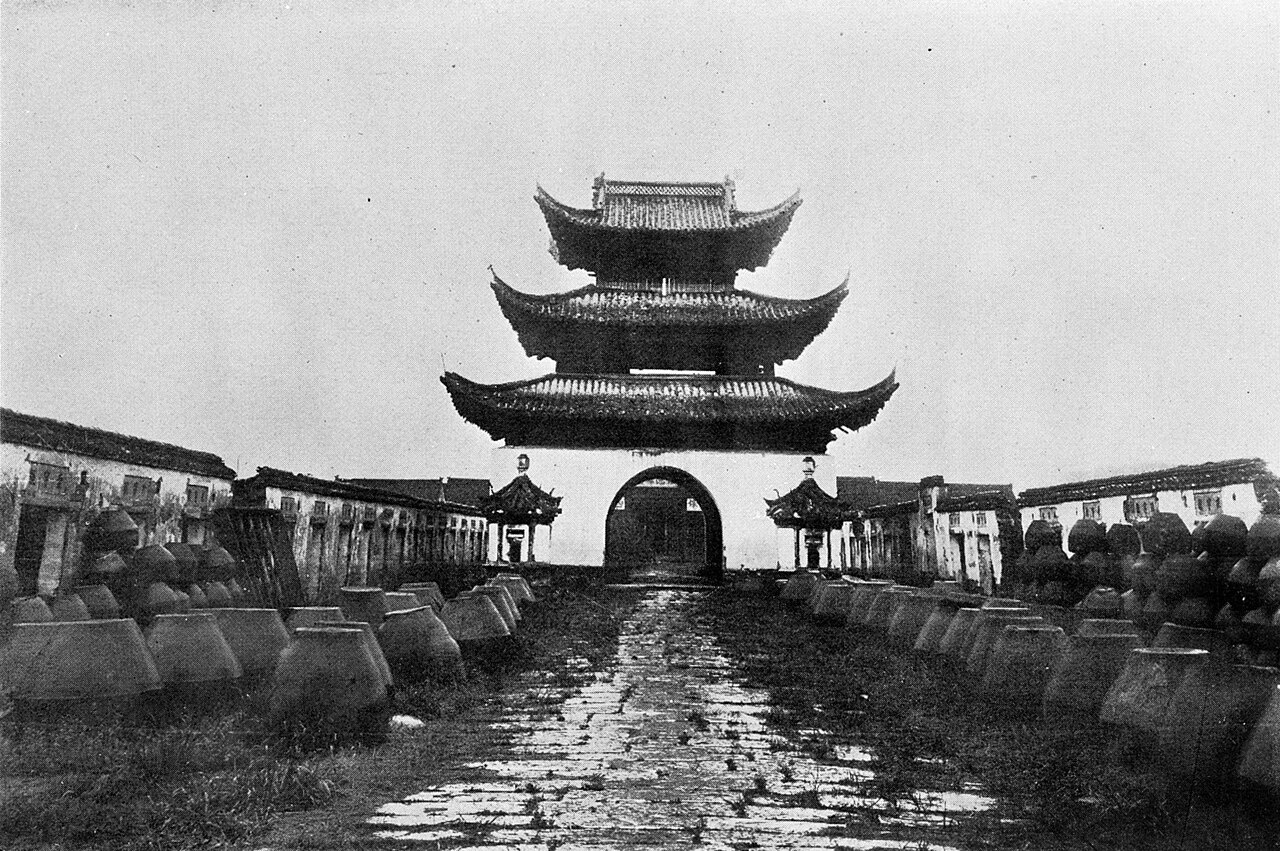
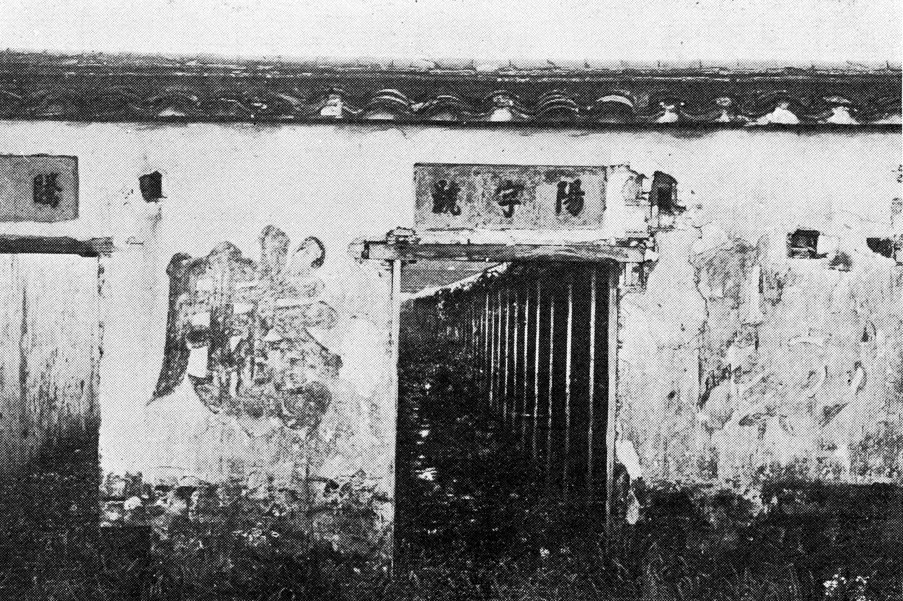
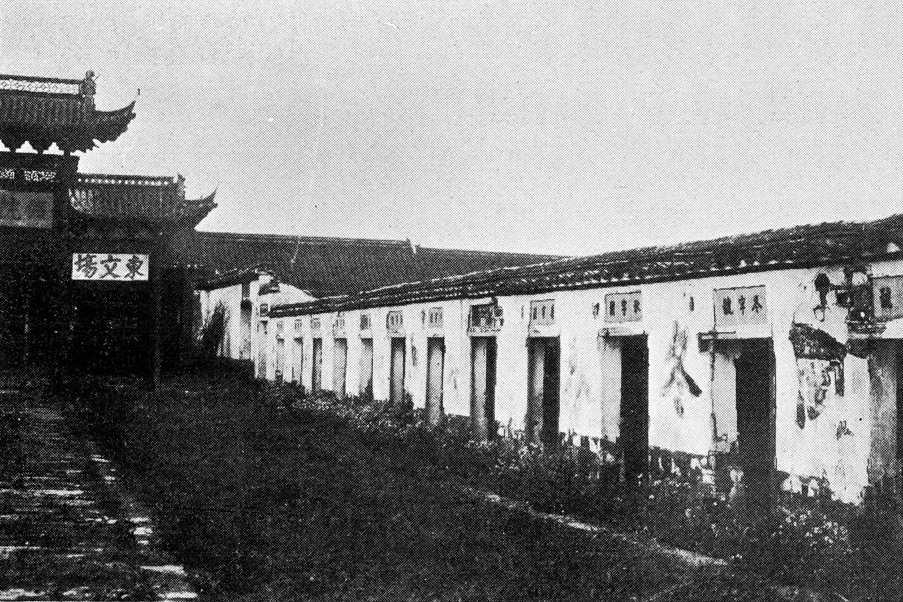
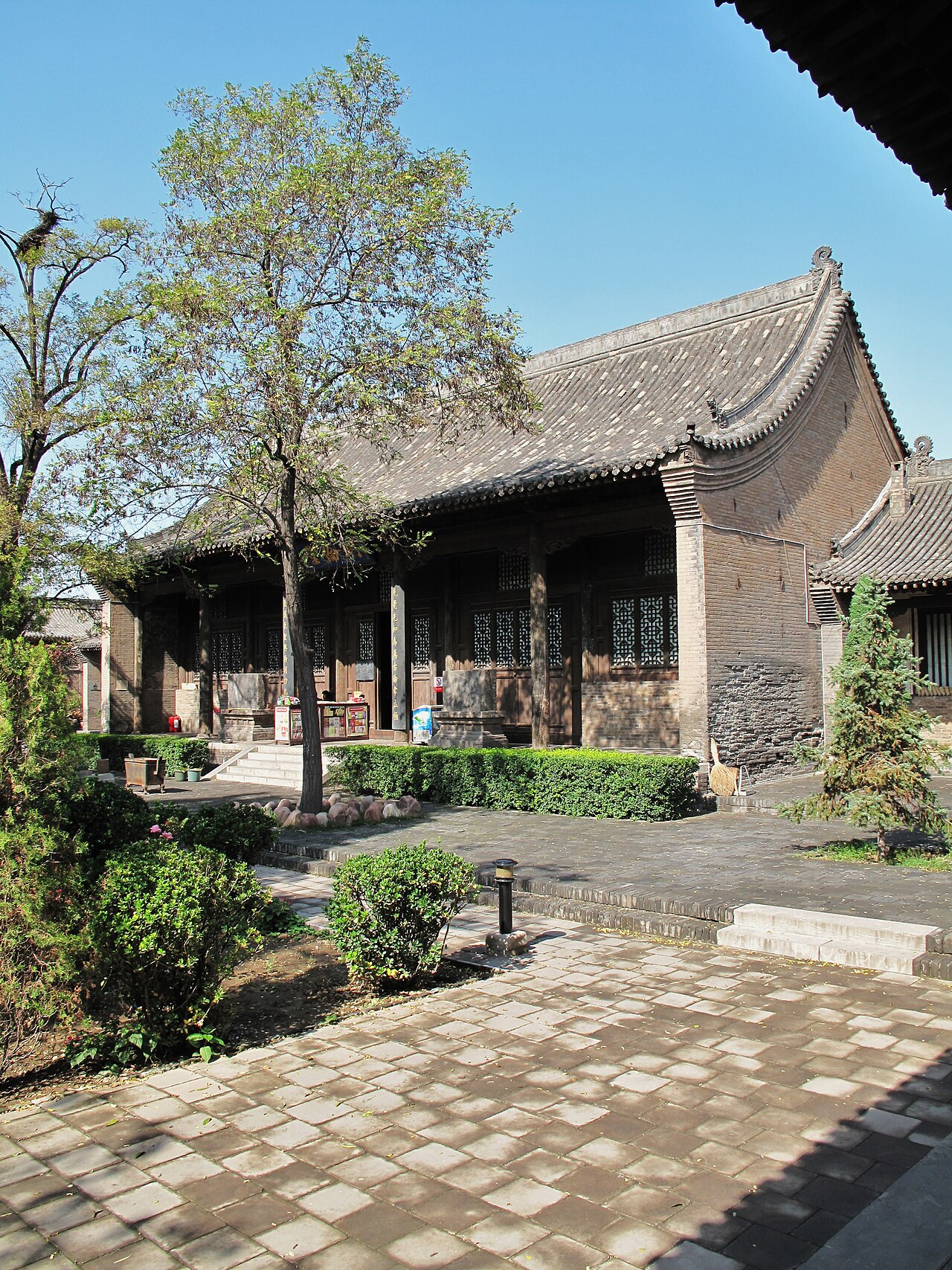
Gallery
Frequently Asked Questions
What is the Imperial examination in Chinese history?
It was a merit-based civil service testing system used across Imperial China to choose officials for the state bureaucracy. Candidates were evaluated on their command of written Chinese, classical texts, and literary composition rather than on family connections.
What role did the Imperial examination play in governing the empire?
By requiring all officials to pass the same standardized tests in classics and prose, it created a shared intellectual culture among the ruling class. This helped bind the vast territory together and gave the emperor a legitimate, performance-based justification for appointing bureaucrats.
Why is the Imperial examination considered historically significant beyond China?
Its emphasis on open, written competitive selection for government posts became a model that later shaped civil service systems in parts of Asia, Europe, and the United States. Historians credit it with demonstrating that administrative talent could be identified through standardized assessment rather than hereditary privilege.
More in Chinese History 1-24
Elsewhere in the Chinese History universe
Spotted an error? Know more?
This is a living reference — every entry is fact-audited, and reader corrections feed straight into our audit queue. Suggest an edit · See this site's audit record