
Sino-Soviet split
Ideological rivalry split communist world into competing spheres.
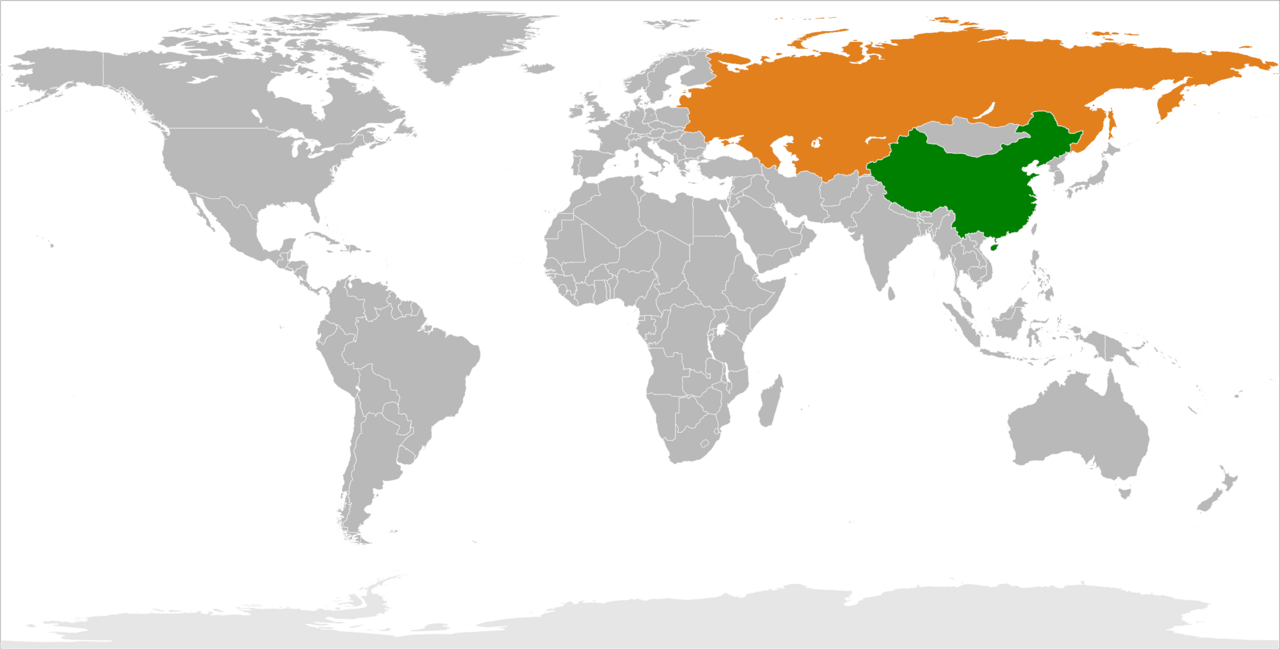
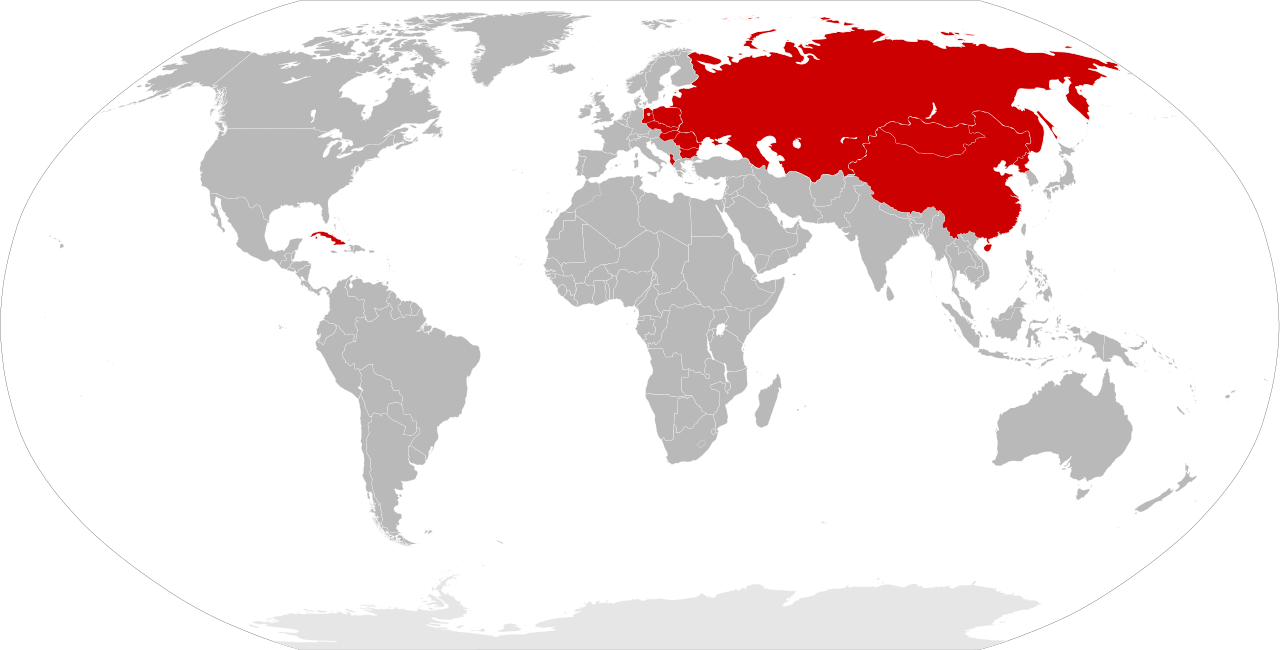
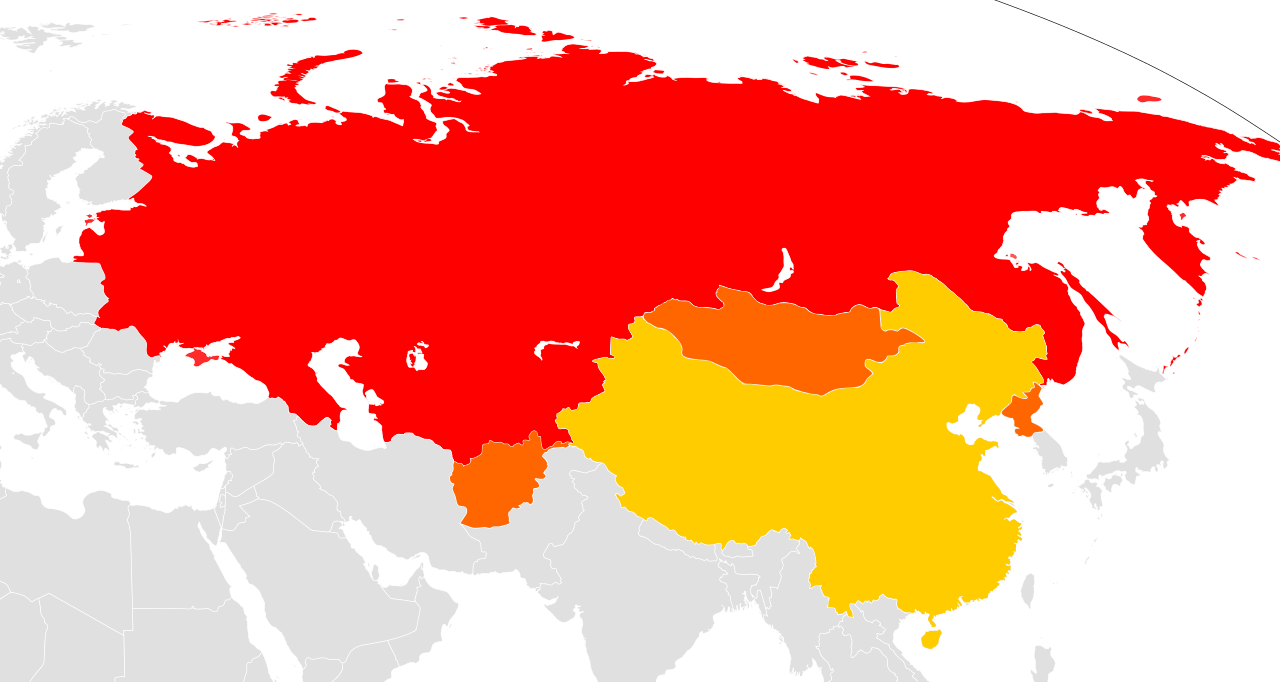
The Sino-Soviet split was the progressive breakdown of ties between the People’s Republic of China and the Soviet Union during the Cold War. It turned the bipolar Cold War into a tri-polar one and undermined the Western idea of a unified communist bloc.
The split stemmed from growing differences over how to interpret and apply Marxism-Leninism, shaped by each country’s geopolitical position. In the late 1950s and early 1960s, debates about orthodox Marxism turned into specific conflicts over Soviet policies: de-Stalinization at home and peaceful coexistence with the West abroad. Chinese leader Mao Zedong condemned these as revisionism. China took a more aggressive stance toward the Western world and openly rejected the Soviet line of peaceful coexistence. China also resented the USSR’s strengthening ties with India, especially given the Sino-Indian border dispute, while the Soviets worried that Mao was indifferent to the risks of nuclear war.
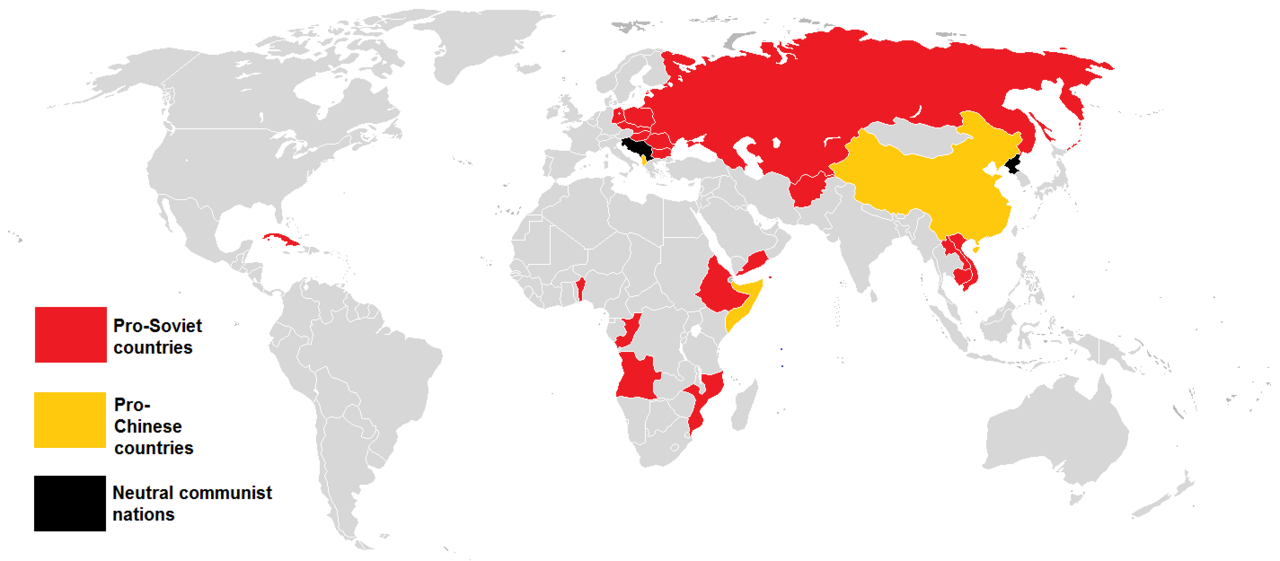
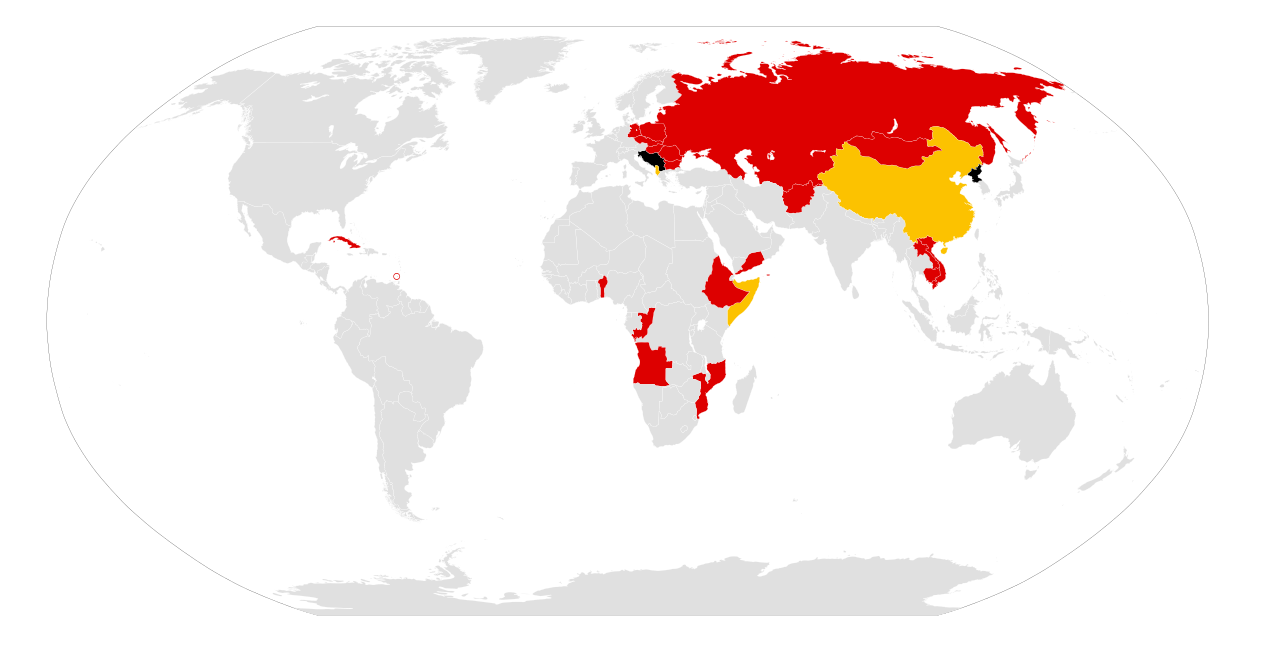
In 1956, Soviet leader Nikita Khrushchev denounced Joseph Stalin and Stalinism in his “On the Cult of Personality and Its Consequences” speech, launching de-Stalinization. Mao and the Chinese leadership were horrified, and the two countries increasingly diverged in their understanding and use of Leninist theory. By 1961, ideological differences had become so entrenched that China formally denounced Soviet communism as the work of “revisionist traitors” and labeled the USSR social imperialist. The Soviet Union, in turn, criticized Mao and China’s actions during the Cultural Revolution. For Eastern Bloc nations, the split raised the question of who would lead the global communist revolution—China or the USSR—and which vanguard parties would seek political advice, financial aid, and military support. Both sides competed for leadership of world communism through revolutionary parties in their spheres of influence. The conflict peaked after the 1969 Zhenbao Island border incident, after which the Soviet Union reportedly considered a large-scale nuclear strike on China, and Chinese leaders, including Mao, were evacuated from Beijing. Both sides eventually returned to diplomatic talks.
In the West, the split allowed Mao to pursue rapprochement with the United States, leading to President Richard Nixon’s 1972 visit to China. Triangular diplomacy and linkage policies emerged. Like the earlier Tito–Stalin split, the Sino-Soviet split weakened the Western perception that communist nations were ideologically and politically united. Still, the USSR and China continued to cooperate with North Vietnam during the Vietnam War into the 1970s, despite their rivalry elsewhere. Historically, the split enabled Mao to use Marxist-Leninist Realpolitik to create a tri-polar geopolitics (PRC–USA–USSR) in the late Cold War, forming an anti-Soviet front that Maoists linked to the Three Worlds Theory. According to scholar Lüthi, there is no documentary evidence that either the Chinese or Soviets thought of their relationship within a triangular framework at the time.
**Origins**
During the Second Sino-Japanese War, the Chinese Communist Party and the nationalist Kuomintang set aside their civil war to drive Japan out of China. Soviet leader Joseph Stalin ordered Mao to cooperate with Kuomintang leader Chiang Kai-shek against the Japanese. After Japan’s surrender at the end of World War II, the two sides resumed their civil war, which the communists won by 1949.
At the war’s end, Stalin advised Mao not to seize power immediately but to collaborate with Chiang, due to the 1945 USSR–KMT Treaty of Friendship and Alliance. Mao obeyed out of communist solidarity. Three months after Japan’s surrender, in November 1945, when Chiang opposed the annexation of Tannu Uriankhai (Mongolia) to the USSR, Stalin broke the treaty by refusing to withdraw the Red Army from Manchuria, giving Mao regional control, and ordered Soviet commander Rodion Malinovsky to give the Chinese communists leftover Japanese weapons.
In the five years after World War II, the United States partly financed Chiang, his party, and the National Revolutionary Army. But Washington pressured Chiang to form a joint government with the communists. US envoy George Marshall spent 13 months in China trying unsuccessfully to broker peace. In the final three years of the Chinese Civil War, the CCP defeated and expelled the Kuomintang from mainland China. The KMT retreated to Taiwan in December 1949.
As a revolutionary theoretician seeking to build a socialist state in China, Mao adapted orthodox Marxism—originally designed for industrialized Western Europe—to the agrarian conditions of pre-industrial China. His Sinification of Marxism-Leninism, known as Mao Zedong Thought, made political pragmatism the top priority for accelerating modernization, with ideological orthodoxy taking second place.
- start_date
- Late 1950s
- field
- International relations, Cold War geopolitics
- key_actors
- People's Republic of China (Mao Zedong), Union of Soviet Socialist Republics (Nikita Khrushchev)
- known_for
- Ideological divergence over Marxism–Leninism, de-Stalinization, and peaceful coexistence; border conflict; tri-polar Cold War
Lore & Background
The Sino-Soviet split was characterized by a gradual deterioration in relations between the People’s Republic of China and the Soviet Union during the Cold War. Its defining feature was a fundamental ideological divergence over the interpretation and application of Marxism–Leninism, shaped by the distinct geopolitical positions of each nation. This rift became explicit in the late 1950s and early 1960s, centering on Soviet policies of de-Stalinization and peaceful coexistence with the Western Bloc. Chinese leader Mao Zedong condemned these policies as revisionism, advocating instead a belligerent stance toward the West and rejecting the Soviet approach. China also resented growing Soviet ties with India, particularly amid the Sino-Indian border dispute, while the USSR feared Mao’s apparent disregard for the consequences of nuclear war. The split deepened after Nikita Khrushchev’s 1956 denunciation of Stalin, which appalled Mao and the Chinese leadership. By 1961, China formally denounced Soviet communism as the work of revisionist traitors and declared the USSR social imperialist. The Soviet Union, in turn, criticized China’s Cultural Revolution. For Eastern Bloc countries, the split became a contest over leadership of world communism, determining which nation—China or the USSR—would provide political guidance, financial aid, and military support to revolutionary parties. The conflict peaked after the 1969 Zhenbao Island border incident, after which the USSR reportedly considered a large-scale nuclear strike against China, leading to the evacuation of Mao and other leaders from Beijing before diplomatic talks resumed. In the West, the split transformed the bipolar Cold War into a tri-polar dynamic, facilitating Mao’s rapprochement with the United States and President Nixon’s 1972 visit to China. Despite their rivalry, both nations continued cooperating with North Vietnam during the Vietnam War. The split also weakened the Western perception of monolithic communism, though historians note no documentary evidence that either side viewed their relationship within a triangular framework at the time.
Reader's Guide
The Sino-Soviet split transformed the bipolar Cold War into a tri-polar dynamic, enabling Mao to pursue rapprochement with the United States, culminating in President Nixon’s visit to China. This shift gave rise to Western policies of triangular diplomacy and linkage. The split also eroded the monolithic communism concept—the Western assumption that communist states were ideologically and politically unified—similar to the earlier Tito–Stalin split. Despite their rivalry, both the USSR and China continued to cooperate with North Vietnam during the Vietnam War into the 1970s. Historically, the split allowed Mao to apply Marxist–Leninist Realpolitik to establish a tri-polar geopolitical framework involving China, the USA, and the USSR, which Maoists linked to the Three Worlds Theory. However, historian Lüthi notes that no documentary evidence exists that either China or the Soviet Union conceived of their relationship within a triangular framework during the period. The split originated from diverging interpretations of Marxism–Leninism, particularly after Khrushchev’s denunciation of Stalin and de-Stalinization, which Mao condemned as revisionism. China rejected Soviet peaceful coexistence with the West, adopted a belligerent stance, and resented Soviet ties with India amid the Sino-Indian border dispute. The USSR feared Mao’s apparent indifference to nuclear war’s consequences. By 1961, China formally denounced Soviet communism as revisionist and social imperialist, while the USSR criticized Mao’s Cultural Revolution. For Eastern Bloc nations, the split became a contest over leadership of world communism, with both powers competing for influence among revolutionary parties. The conflict peaked after the 1969 Zhenbao Island border incident, after which the USSR reportedly considered a nuclear strike, and Mao was evacuated from Beijing before diplomatic talks resumed.
Did You Know?
- The Sino-Soviet split transformed the bipolar Cold War into a tri-polar Cold War.
- Despite the split, the USSR and China both continued to cooperate with North Vietnam during the Vietnam War into the 1970s.
Ideological Fracture and the Revisionism Debate
Mao and the Chinese leadership found this deeply troubling, as it signaled a departure from what they considered orthodox Leninist doctrine. By the late 1950s and into the early 1960s, what began as abstract theoretical disagreements hardened into concrete policy disputes. China publicly rejected the Soviet policy of peaceful coexistence with the Western Bloc, viewing it as a form of revisionism. Mao adopted a belligerent posture toward the West, contrasting sharply with Moscow's more conciliatory approach. In retaliation, the Soviet Union turned its criticism toward Mao and the practices that would later define the Cultural Revolution. What had once been a shared revolutionary project had calcified into mutual denunciation, each side accusing the other of betraying the Marxist-Leninist tradition.
Competition for the Soul of World Communism
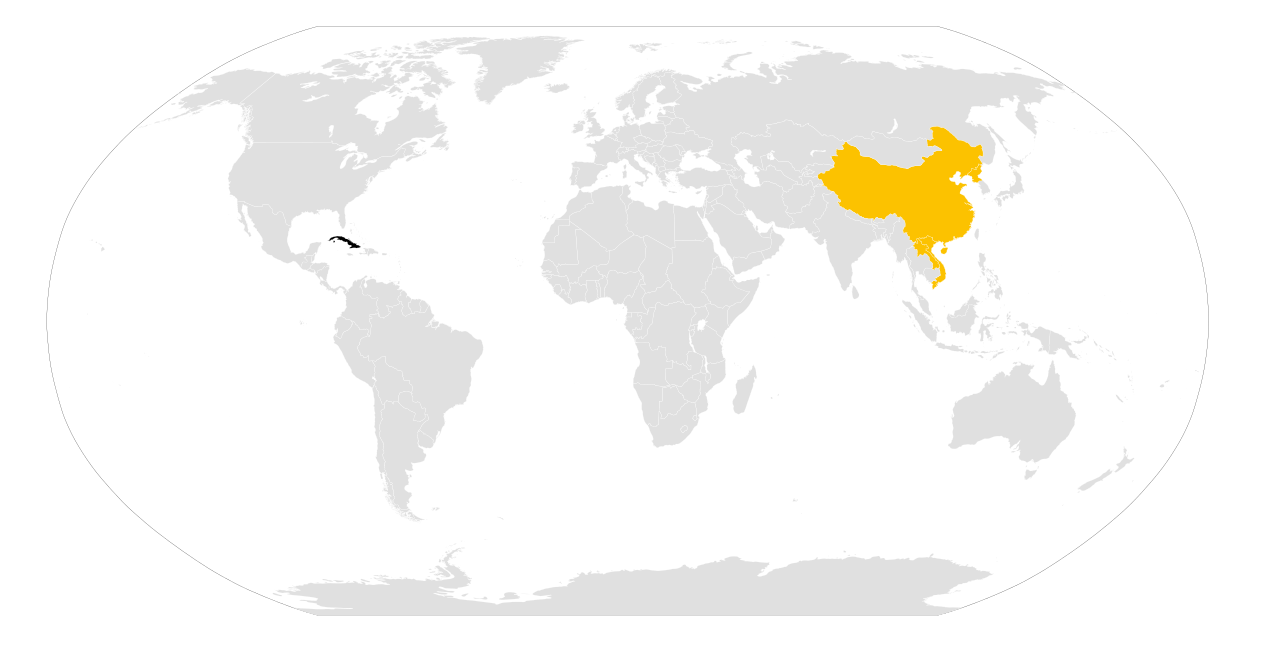
For the nations of the Eastern Bloc, the Sino-Soviet split posed a fundamental question: who would serve as the vanguard of global revolution? Both Beijing and Moscow sought to position themselves as the legitimate leaders of world communism, competing through the revolutionary parties operating within their respective spheres of influence. The rivalry was not merely rhetorical; it involved tangible stakes in political counsel, financial support, and military assistance that vanguard parties across the globe depended upon. Each superpower attempted to outmaneuver the other by cultivating loyalty among communist movements in their designated regions. This competition effectively fractured the previously assumed unity of the communist world. The split echoed earlier ruptures like the Tito-Stalin confrontation, reinforcing the notion that communist states were not a monolithic ideological bloc. Yet even amid this rivalry, both China and the USSR continued to coordinate their support for North Vietnam throughout the Vietnam War into the 1970s, demonstrating that strategic interests could still override ideological enmity.
The 1969 Border Crisis and the Nuclear Shadow
This clash pushed the two former allies to the brink of direct military confrontation. According to the available historical record, the Soviet Union reportedly weighed the possibility of launching a large-scale nuclear strike against China, a staggering escalation that would have had catastrophic global implications. In response to this existential threat, the Chinese leadership, including Mao Zedong himself, was evacuated from Beijing to a safer location. The episode revealed just how far ideological and geopolitical tensions had escalated from the theoretical debates of the late 1950s. Ultimately, both sides stepped back from the precipice and returned to the negotiating table, resuming diplomatic channels. The crisis underscored a broader Soviet anxiety that had persisted throughout the split: the fear that Mao was dangerously unconcerned about the catastrophic consequences of nuclear warfare, a concern that made the prospect of direct Sino-Soviet conflict particularly terrifying to Moscow's leadership.
Reshaping the Cold War Architecture
The Sino-Soviet split fundamentally altered the structure of the Cold War, transforming what had been a rigid bi-polar confrontation into a more complex tri-polar dynamic. In Western strategic thinking, the split gave rise to the concepts of triangular diplomacy and linkage, as policymakers sought to manage the three-way relationship among Washington, Moscow, and Beijing. The rupture also shattered the Western perception of communism as a monolithic, ideologically unified bloc, a narrative that had dominated Cold War analysis since the early postwar period. Mao's approach to this new tri-polar reality, encompassing the PRC, the USA, and the USSR, was rooted in what Maoists later connected to the Three Worlds Theory, a framework of Marxist-Leninist Realpolitik designed to build an anti-Soviet front. However, historian Lüthi notes that no documentary evidence confirms either the Chinese or the Soviets actually conceptualized their relationship within such a triangular framework during the period.
Gallery
Frequently Asked Questions
What is the Sino-Soviet split?
It was the progressive deterioration of ties between the PRC and the USSR during the Cold War, rooted in fundamentally different readings of Marxism-Leninism and competing geopolitical strategies. The rift effectively broke the assumption among Western observers that the communist bloc was a single, unified force.
Who were the key leaders in the Sino-Soviet split?
On the Chinese side, Mao Zedong drove the hardline critique of Soviet revisionism, while on the Soviet side Nikita Khrushchev championed de-Stalinization and a policy of peaceful coexistence with the West. Their competing visions of how communism should be practiced and governed were the central human drama of the split.
Why did China and the USSR fall out ideologically?
The core disagreement centered on how Marxism-Leninism should be applied: Beijing rejected Moscow's embrace of de-Stalinization and its strategy of peaceful coexistence with capitalist powers, viewing both as a betrayal of revolutionary principles. Geopolitical competition for influence within the broader communist movement only deepened the rift.
How did the Sino-Soviet split reshape the Cold War?
By fracturing the communist camp into two rival blocs, the split turned the previously bipolar confrontation into a tri-polar one, with the PRC, USSR, and the US each pulling in different directions. This also shattered the Western narrative of a monolithic communist threat and opened diplomatic space, such as Nixon's later outreach to Beijing.
More in Chinese History 1-24
Spotted an error? Know more?
This is a living reference — every entry is fact-audited, and reader corrections feed straight into our audit queue. Suggest an edit · See this site's audit record